
Study identifies distinct immune mechanisms driving eosinophilic gastritis
A study by Prof. Ariel Munitz and colleagues reveals that two key immune receptors play different roles in the development of eosinophilic gastritis, offering new insights that could guide future targeted therapies


Eosinophilic gastritis (EoG) is a rare chronic inflammatory disease in which eosinophils and other immune cells accumulate in the stomach, leading to tissue damage and persistent gastrointestinal symptoms. Despite growing recognition of the disease, the molecular mechanisms driving its development have remained poorly understood.
Researchers from the Gray Faculty of Medical and Health Sciences at Tel Aviv University developed an experimental model of eosinophilic gastritis to investigate how two closely related immune signaling pathways contribute to disease progression. Their findings revealed that although both IL-4Rα and IL-13Rα1 are activated during type 2 inflammation, they regulate different aspects of the disease.
The study showed that IL-4Rα is essential for recruiting inflammatory immune cells into the stomach, whereas IL-13Rα1 primarily drives structural changes in the stomach lining, including epithelial remodeling. These findings demonstrate that the two receptors perform distinct, non-overlapping functions in the development of eosinophilic gastritis.
By identifying the specific roles of these signaling pathways, the research provides new insight into the mechanisms underlying eosinophilic gastritis and highlights potential targets for the development of more precise therapies for patients with this challenging disease.
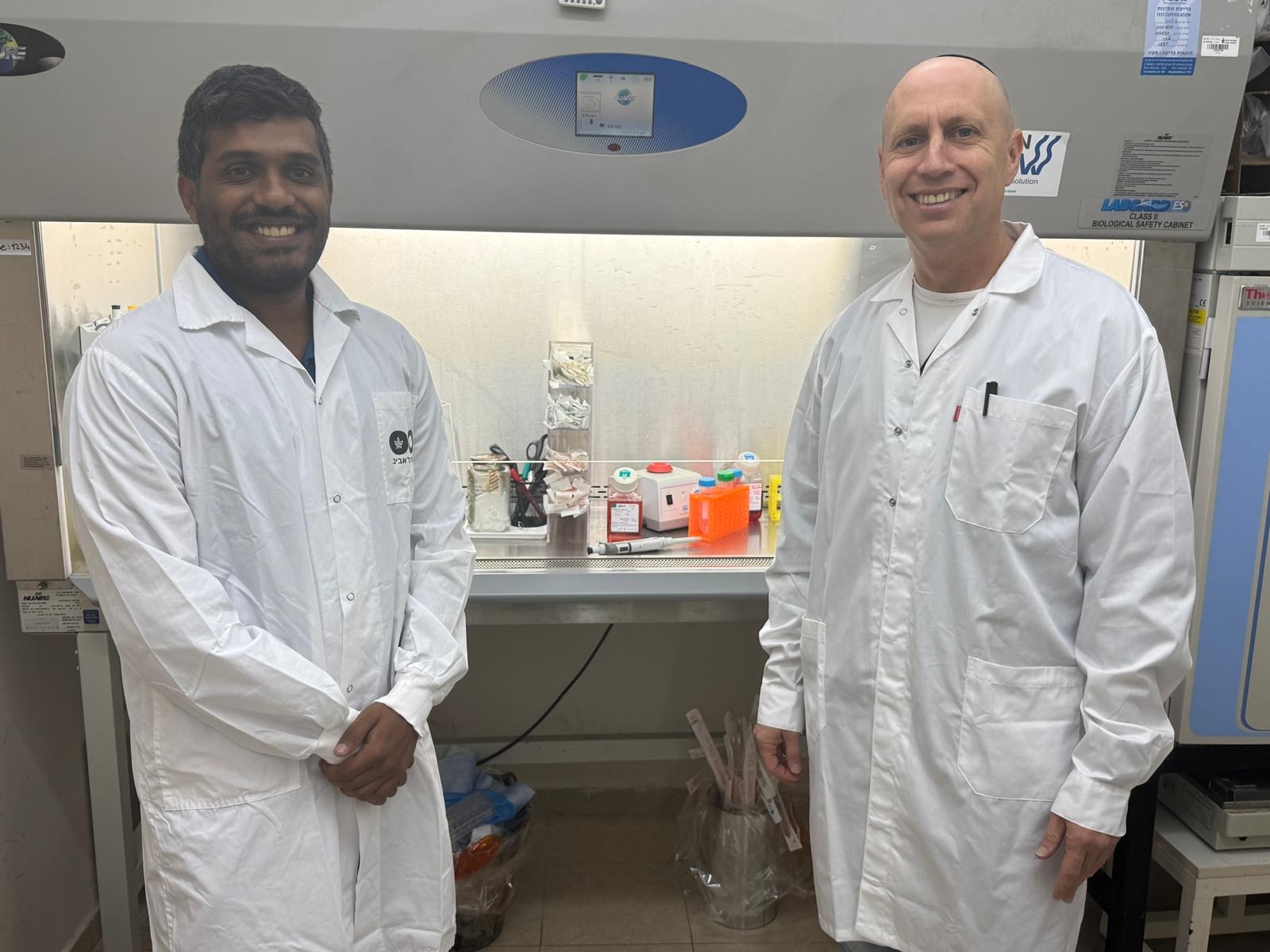
Read the full paper:
Differential Roles for IL-4Rα and IL-13Rα1 in Immune Cell Infiltration and Epithelial Remodeling in Experimental Eosinophilic Gastritis
Published in: Allergy
Authors: Anish Dsilva, Shraddha Sharma, Shireen Barakey, Ariel Wagner, Alice Keisar, Tali Bar-On, Michal Itan, Ariel Munitz
Related Articles